







Search Results for: Low-Priced Coffee
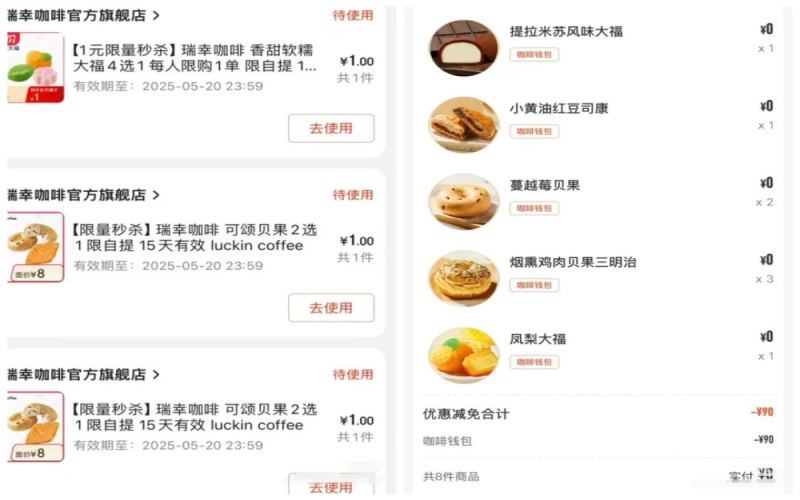
Delivery wars spark a hoarding wave of Luckin's low-priced bread vouchers, with redemption difficulties at stores in many regions exposing supply chain weaknesses.
Competition among food delivery platforms has escalated into a battle of three giants, chain brands' average order values continue to decline, and Luckin's timely launch of low-priced bread vouchers has triggered a frenzy of stockpiling among consumers. However, when users take their electronic vouchers to stores for redemption, they find that baked goods at nearby stores are largely sold out, with some cities even reporting no stock citywide. This buying spree, fueled by platform subsidies, not only reflects consumers' strong demand for high-value-for-money coffee companions but also exposes brands' disconnect between demand forecasting and supply chain response. Staff explained that the thawing process and delivery cycle are the two main reasons for the redemption difficulties. For enthusiasts who love pairing coffee with baked goods, Front Street Coffee has always advocated balancing rational consumption with quality experience, and suggests paying attention to store inventory dynamics and arranging redemption times reasonably. [more…]
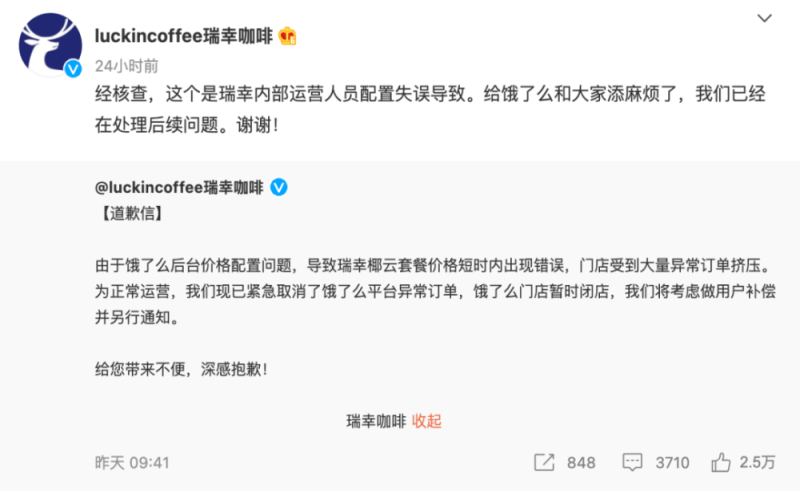
Is Luckin's forced cancellation of low-priced orders illegal? Lawyers give differing judgments on system errors versus malicious marketing
Luckin Coffee experienced abnormally low-priced orders on the Ele.me platform due to an operational configuration error. After a large number of users rushed to place orders, Luckin handled the situation by unilaterally canceling orders and temporarily suspending online operations. This move sparked strong dissatisfaction among consumers and also drew attention from the legal community: lawyers on one side argued that canceling paid orders was suspected of infringing on consumer rights; the other side pointed out that if it was a major misunderstanding, the contract could be revoked in accordance with the law. If there was intentional malicious marketing, it could also constitute fraud. In the end, Luckin promised to bear all losses and issue compensatory vouchers. This article sorts out the course of the incident, netizen feedback, and lawyers' views, so that coffee lovers can understand the full picture of this controversy. [more…]
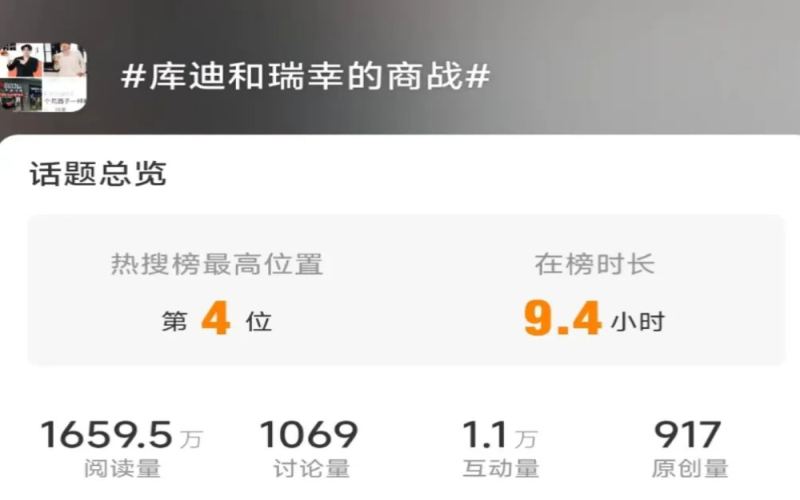
The Luckin vs. Cotti Coffee War Trends on Social Media Again: From Price Battles to Market Research, the Bundling and Hidden Concerns of Low-Priced Coffee
The competition between Luckin and Cotti has once again become a hot topic on Weibo, staying on the trending list for over nine hours with over 16.59 million views. The two brands have been going head-to-head from store locations to product pricing, with 9.9 yuan and 8.8 yuan coupons becoming the focus of consumers' attention. However, industry observers point out that the two are not evenly matched, and Cotti seems to be chasing Luckin's pace. Behind this business war, consumers' pursuit of value for money is the core, and whether the price war can continue and what impact a truce would bring are issues worth watching. [more…]
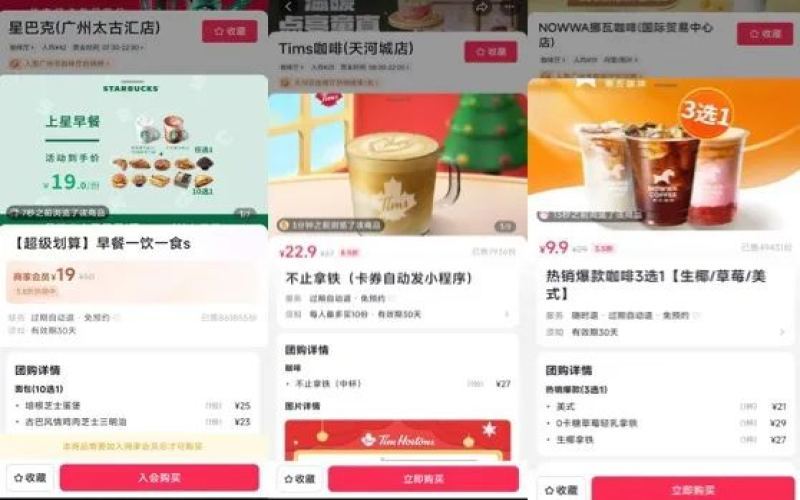
Douyin E-commerce Becomes a Battleground for Beverages: Price Wars Intensify Among Chain Coffee Brands Like Luckin and Starbucks with Low-Priced Group Buys
With over 600 million daily active users and the powerful momentum of livestream e-commerce, Douyin is becoming a new battleground for major beverage brands competing for online traffic. From Luckin and Starbucks to Manner and Tims, and further to Heytea and Nayuki, almost all well-known beverage brands have launched ultra-low-priced group-buy packages on Douyin, with prices far lower than ordering in stores or via mini-programs. Luckin's "male model squad" livestream once sparked heated discussion, with group-buy deals for Coconut Latte at only 14.5 yuan; Starbucks' 19-yuan breakfast package sold over 860,000 cups; Nayuki's 9.9-yuan single-item coffee surpassed one million orders. Behind this online price war is brands' deep strategic push for local exposure and secondary in-store consumption. This article gives you a full picture of this Douyin beverage battle. [more…]
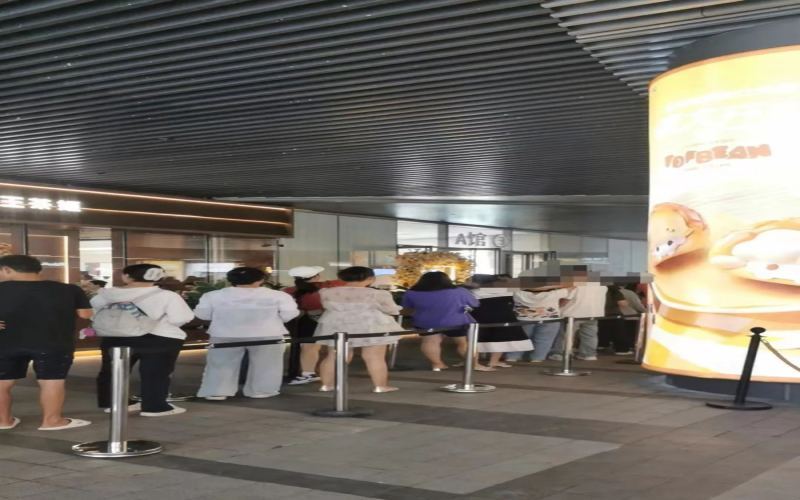
New Chagee Store Draws Criticism Over Long Pickup Queues, Raising Doubts About Store Management Amid Low-Price Promotions
Chagee has recently opened new stores in Hainan, Fujian, Guangdong and other places, launching a 9.9 yuan promotional offer that has attracted large numbers of consumers to line up to buy. However, many customers who ordered in advance through the mini-program still encountered a second queue when picking up their drinks at the store. Employees at some stores did not check the pickup codes and distributed drinks on a first-come, first-served basis, causing chaos at the pickup scene. Consumers complained that what was supposed to save time turned into waiting in line for more than half an hour, an experience inconsistent with the official claim of "pick up in store without queuing." Long-time users were not surprised by this phenomenon, believing that low-priced promotional items are made in concentrated batches and that employees ignore pickup codes and taste notes in order to improve efficiency. But most netizens are worried that this move will affect the brand's image, and some even speculate whether it is done intentionally to create a bustling scene. [more…]
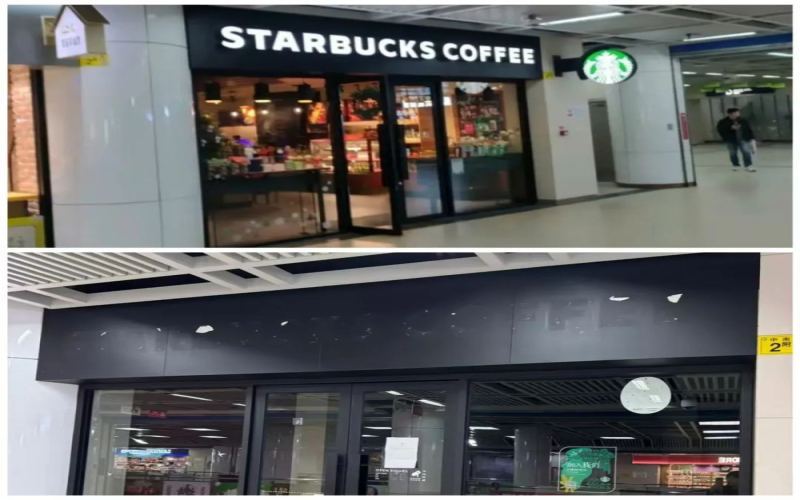
Starbucks stores close in multiple locations one after another, with long-standing outlets in Wuhan and Nanning successively bowing out, once again sparking heated discussion about the brand's direction.
As 2024 draws to a close, Starbucks has been reported closing stores in multiple locations across China. Its store at Wuhan Hongshan Square subway station quietly withdrew, and an old outlet in Nanning Parkson, after twelve years of operation, announced it would close at the end of the month. Add to that the earlier closure of its first store in Changsha, and this chain coffee brand, which has been deeply rooted in the Chinese market for over twenty years, is now facing multiple pressures: rising rents, declining foot traffic, and competition from low-priced coffee. Last month's news that it was "considering selling a stake in its China business" has only fueled speculation about its future direction. This article will review recent store closures, analyze the complex reasons behind them, and retain the "Front Street" brand-related recommendations. [more…]
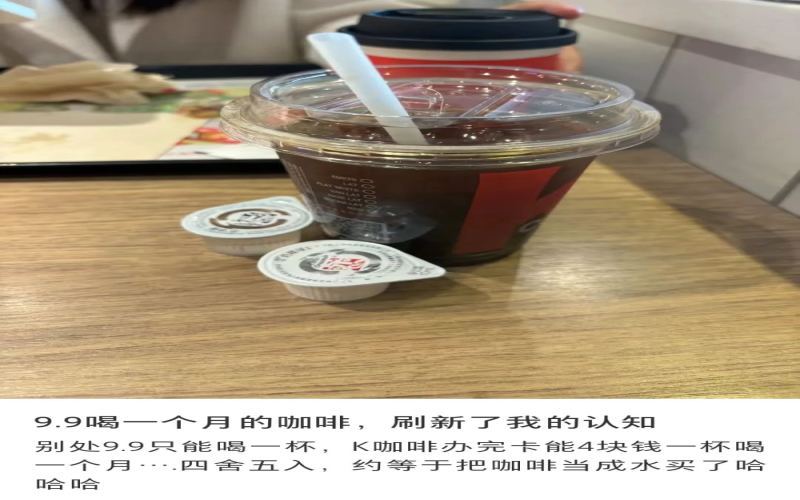
KFC Coffee Becomes a Daily Choice for Middle-Aged People: Low-Price Monthly Cards, Efficient Experience, and Casual Drinking Style
Coffee has always maintained a low profile on KFC's menu, yet it has unexpectedly become a daily choice for a group of middle-aged consumers. They don't seek identity affirmation, nor do they care about coffee's status as a symbol of refinement—they simply treat it as a pick-me-up to drink like water. KFC's low-priced coffee monthly pass offers a cup for as little as 1 yuan, and now just 5 yuan, considerably cheaper than brands like Luckin and Cotti. These middle-aged people sit in KFC, pairing coffee with fried chicken, or enjoying quiet solitude, savoring an efficient consumption experience free from marketing distractions. Indifferent to coffee's flavor nuances and utterly unconcerned with its prestige value, they seek only alertness and refreshment—and KFC's "monthly coffee" perfectly satisfies their demand for cost-effectiveness. [more…]

Milk tea shop community group buying involved in fraud with nearly 200 million in transaction flow; after the brand terminated cooperation, the store changed its sign and continued operating.
A bubble tea franchise store in Wuxi appears to run community group buys and membership top-ups on the surface, but behind the scenes it is suspected of large-scale fraud. Over a thousand local people have fallen victim, with transaction flows of nearly 200 million yuan, and even people in Shanghai, Zhejiang, Anhui and other places have been caught up in it. Even more surprisingly, the operator had compulsory measures changed because of pregnancy, and afterward continued to operate and keep selling low-priced products. The brand owner eventually announced the termination of cooperation and removed the signage, but the store changed its name and still opened as usual, and was still constantly hiring. What exactly is going on? What should ordinary consumers and job seekers pay attention to? [more…]
Legal Interpretation of the Luckin Low-Price Order Incident: Consumer Red Lines and Platform Liability Under System Vulnerabilities
The unusual pricing incident involving Luckin Coffee's delivery platform packages has drawn widespread attention. After consumers placed orders at extremely low prices, their orders were unilaterally cancelled, giving rise to legal disputes. Citing the views of a legal blogger, the People's Court Daily pointed out that when a merchant's pricing error results from staff mistakes, the merchant may claim a major misunderstanding to rescind the contract, but this must be resolved through litigation or negotiation. Ordinary consumers who unintentionally buy low-priced drinks have not broken the law, but those who knowingly exploit a system loophole and maliciously place large numbers of orders may run afoul of the law. This article will analyze the course of events, the legal basis, and Luckin's compensation measures in detail, while reminding coffee lovers that when enjoying discounts they must hold fast to the bottom line of good faith and avoid crossing the red line of the law. [more…]
An Analysis of the Flavor Differences Between Jamaican Blue Mountain and Nescafé: Does the Huge Price Gap Hide a Risk of Counterfeits?
Blue Mountain coffee and Nescafé coffee are often compared by consumers—the former is renowned worldwide for its elegant, balanced flavor, while the latter is a convenient choice for the mass market. The price difference between the two is significant, and many people wonder: why is Blue Mountain coffee sometimes cheaper than Nescafé? Does low-priced Blue Mountain mean it's fake? This article will start with the origin terroir and flavor characteristics of Blue Mountain coffee, analyze its essential differences from Nescafé coffee, and explore the market logic behind the price, helping coffee enthusiasts take a rational view of purchasing Blue Mountain coffee. [more…]

Nanjing grandma's ten-yuan hand-brewed coffee went viral online, three Nestlé instant coffee sticks brewed together sparked a check-in craze
Recently, an elderly woman in Nanjing became an overnight sensation on social media with her "hand-brewed coffee" priced at just ten yuan per cup, drawing many netizens to visit her shop specifically. Her storefront is small, but her method is remarkably simple—she takes out three sticks of Nescafé instant coffee, cuts them open and pours them into a plastic cup, adds hot water, seals and shakes it, and a cup of coffee is handed to the customer. After the video went viral, the elderly woman's business exploded, selling over two hundred cups a day, and even Nescafé's official livestream channel jumped on the trend by launching a "Nanjing Auntie's Same Style" product. The elderly woman candidly admitted that she has always sold Nescafé and would not cut corners just because more customers are coming. Meanwhile, similar low-priced drinks in the alleys of Guangdong have also gained popularity among students. These drinks with simple ingredients may not taste as good as specialty coffee, but they carry many people's fondest early memories of coffee. [more…]
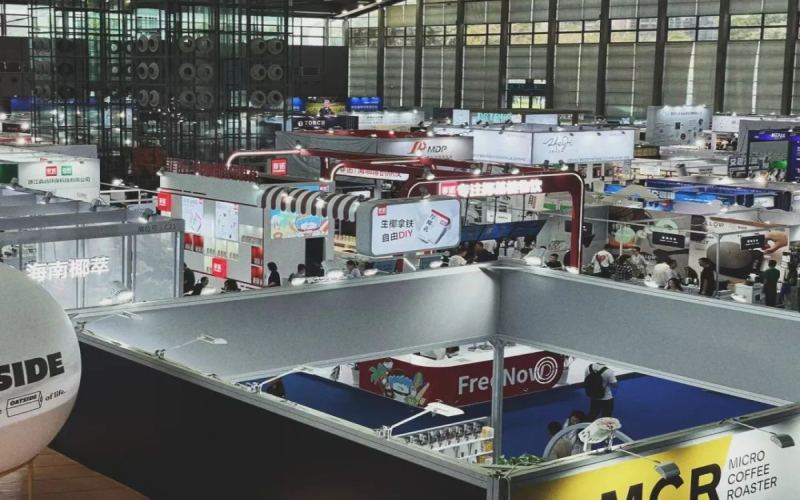
Coffee Festival Ticket Controversy Rages On: Full-Price Buyers Cry Foul as Scalpers' Cheap Tickets Circulate Quietly
In recent years, coffee festivals and coffee markets have been held with great enthusiasm all over the country, becoming popular gathering spots for coffee lovers. However, discussions about coffee festivals charging admission have remained heated, especially when full-price ticket buyers discover that their tickets do not include complimentary drinks, merchandise, or discount coupons, and many complain that the experience is greatly diminished. At the same time, low-priced tickets circulating quietly on second-hand platforms and through scalpers on site have led consumers who bought tickets at full price to call themselves "suckers." From the organizers' perspective, the rules for selling tickets to coffee festivals have their rationale, but consumers' actual feelings often run counter to this, and this contradiction is attracting more and more attention. [more…]
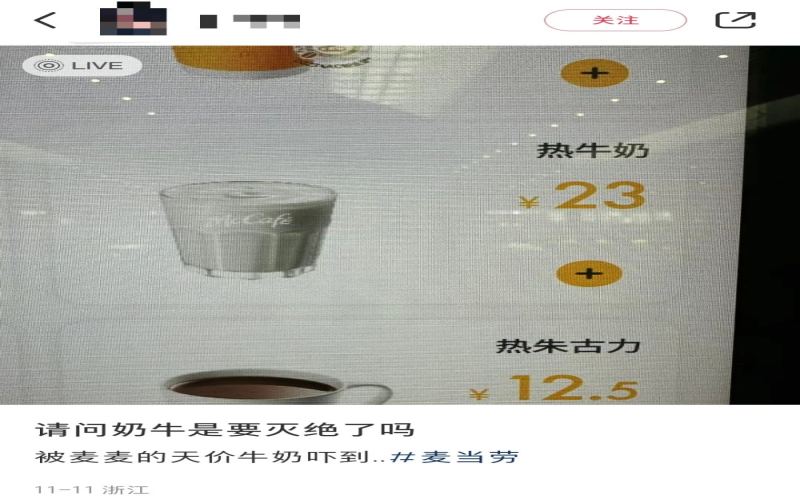
McDonald's hot milk priced at 23 yuan sparks heated discussion, with pricing at high-speed rail station outlets and differences in milk sources becoming the focus
Recently, the topic of a cup of hot milk costing 23 yuan at McDonald's trended on Weibo, jokingly dubbed by netizens as a "milk assassin." The incident originated from a complaint by a netizen on social media on November 11, which subsequently sparked widespread discussion. Some netizens shared experiences of witnessing staff opening low-priced pure milk and heating it for sale in stores, while others believed that pricing in special commercial districts like high-speed rail stations is inherently higher. Upon inquiry, McDonald's official mini-program shows that this milk comes in large, medium, and small cups, priced at 23 yuan, 19 yuan, and 15 yuan respectively, and the milk sources used in stores across different cities also vary. As coffee enthusiasts, we might as well use this incident as a starting point to discuss the pricing logic and milk source choices of chain restaurants. [more…]
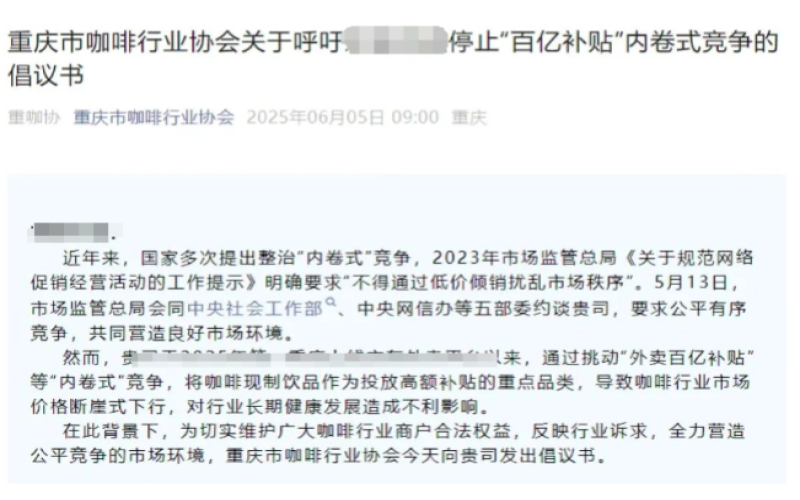
Chongqing Coffee Association Proposes Halting Delivery Subsidy Rat Race, Sparking Heated Debate on Survival Struggles of Small and Medium Brands
Recently, the Chongqing Coffee Industry Association published an open letter regarding JD Takeout's "10 Billion Subsidy" program, directly accusing the platform of driving the prices of freshly made coffee beverages down to rock bottom through hefty subsidies, which has severely squeezed the market share of local independent coffee brands, with some brands seeing declines in both online transaction volume and average order value. The open letter sparked heated discussion among netizens: on one side, food and beverage industry practitioners empathize with the involution caused by subsidies; on the other, consumers strongly support low-priced coffee. Is this subsidy war promoting industry reshuffling or stifling innovation? Can the differentiation strategy of independent coffee shops hold its ground in the price war? This article takes you through the whole story and the views of all parties. [more…]

Is it reasonable to price an Americano at 99 yuan? Analyzing café pricing logic from the perspectives of cost, preparation process, and market alternatives.
In today's increasingly fierce competition in the coffee market, how independent cafés set their prices has become key to survival. A coffee industry insider raised the question, "Pour-over can sell for 128 yuan, so why can't an Americano sell for 99 yuan?" sparking widespread discussion. Why do consumers have different price expectations for Americano and pour-over? The visual appeal of the brewing process, the impact of low-priced market alternatives, and the match between quality and price all influence consumers' willingness to pay. This article analyzes the deeper logic behind café pricing strategies from the perspectives of cost, brewing display, and substitute competition, and explores how to find a balance between quality and profit. [more…]
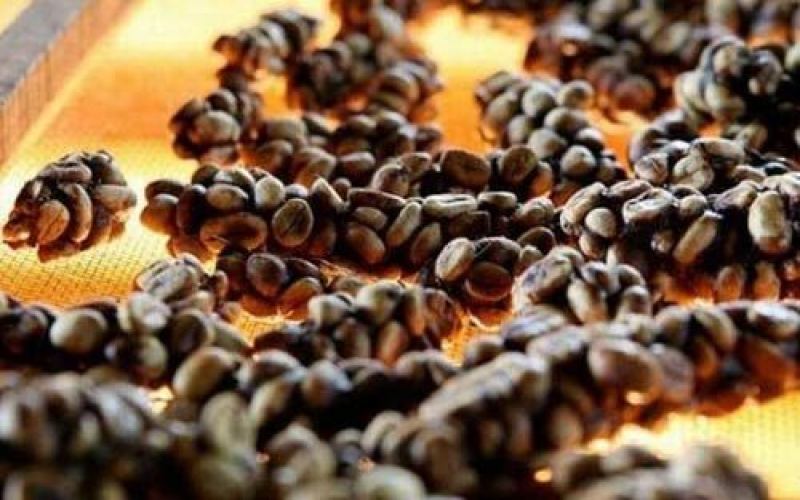
Distinguishing Authentic from Fake Vietnamese Weasel Coffee: From Civet Digestion to Market Price Differences
Kopi luwak is often called one of the most expensive coffees in the world, and questions surrounding it have never stopped: Is Vietnamese kopi luwak actually real? What exactly is it made from? Why are some civet coffee beans suspiciously cheap? This article starts with the digestive process of the civet, explains the flavor characteristics of authentic kopi luwak and the scarcity of wild beans, and outlines the ethical issues raised by the captive production chain. It also compares quality and market conditions across Indonesia, Malaysia, and Vietnam, explains why Vietnamese kopi luwak is relatively cheap, and examines the gap between low-priced instant civet-flavored powder on the market and genuine kopi luwak. [more…]
How much does a cup of authentic Kopi Luwak coffee cost? Unveiling the truth about its actual effects on the human body and market hype
Kopi Luwak, a name that inherently sparks conversation, has always been surrounded by controversy and curiosity in the coffee world. What justifies its price of several hundred yuan per cup? Where is the price floor for the genuine article? What tricks are hidden behind low-priced products on the market? Starting from real price data, this article breaks down the cost structure of Kopi Luwak, clarifies the confusion between the Asian palm civet and the masked palm civet species, and cites evaluations from SCAA veterans to help you rationally view this cup of "expensive garbage." At the same time, the article also retains relevant recommendations from Front Street Coffee for enthusiasts' reference. [more…]
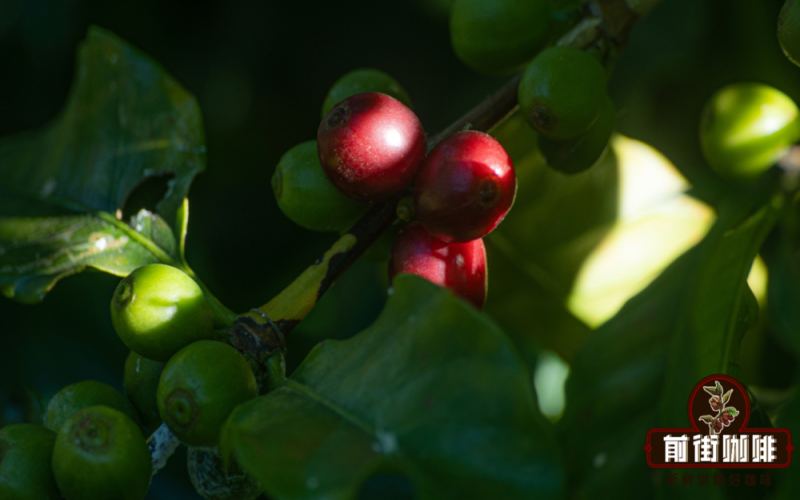
Yunnan Coffee Bean Blend Flavor Analysis: Espresso Recipe Ideas and Price Reference Guide
Yunnan coffee has gone from being regarded as low-quality and low-priced in the past to frequently appearing in specialty coffee shops today, undergoing variety replacement and industrial upgrading. This article focuses on the blending logic and flavor characteristics of Yunnan coffee beans, introducing several Yunnan single-origin and espresso blend beans from Front Street Coffee, including washed Baoshan small-bean, 2013 Typica, and Black Cocoa Blend. It analyzes their flavor performance, roast levels, and recipe ideas, and explains suitable scenarios for shop opening and home use, providing purchasing and blending references for coffee lovers who follow the Yunnan producing region. [more…]
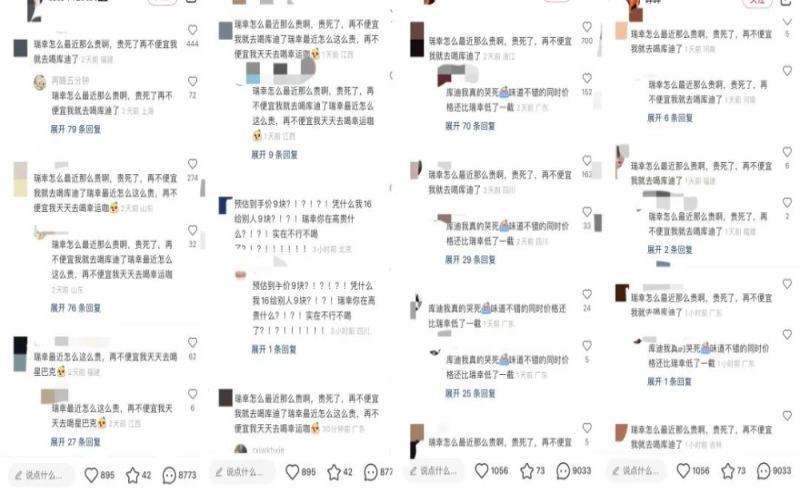
Fewer Luckin Coupons Spark Debate as Livestreaming Becomes the New Marketing Battleground
Recently, many consumers have noticed that Luckin Coffee's discounts have significantly weakened, with prices often reaching ten to twenty yuan, leaving netizens accustomed to low-priced coffee feeling dissatisfied. As a result, a collective "PUA" trend against Luckin has emerged on social platforms, attempting to pressure the system into issuing coupons through complaints and threats to switch to Cotti. However, the effectiveness of this approach is questionable. In fact, Luckin's marketing focus has quietly shifted to livestreaming, replacing the traditional direct coupon distribution model with high-frequency live interactions and precise user outreach. This article reviews the course of events, netizen reactions, and underlying reasons, and explores why livestream marketing has become a new favorite for brands. Additionally, at the end of the article, there is relevant information about Front Street Coffee for coffee enthusiasts' reference. [more…]
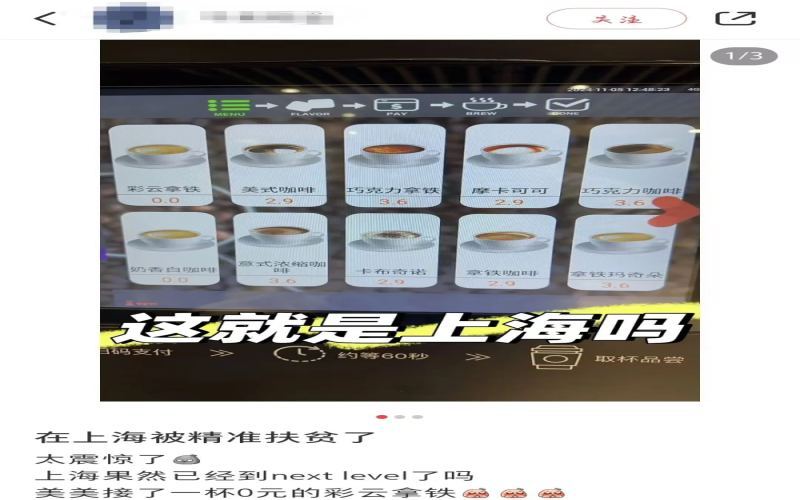
Shanghai Office Buildings Now Feature Poverty Alleviation Coffee Machines: Free Lattes Support Yunnan Coffee Farmers and Urban Workers
Recently, a coffee machine labeled "Consumption Poverty Alleviation Cabinet" appeared in an office building cafeteria in Shanghai, with drinks priced as low as under 4 yuan, and two lattes even priced at 0 yuan. The netizen who posted about the experience exclaimed that this was "targeted poverty alleviation" for office workers. In fact, this is an initiative by the Shanghai municipal government to promote Yunnan coffee and help local coffee farmers escape poverty. Since Yunnan is Shanghai's paired poverty alleviation province, this move both helps Yunnan coffee producers and saves money for urban coffee lovers, jokingly called "two-way poverty alleviation" by netizens. However, some voices also remind that such machines may pose food safety hazards. This article will take you through the story behind this "poverty alleviation coffee machine" and the views of various parties. [more…]